Successful Transitions
Historically and in many contemporary cultures, the onset of puberty meant the end of childhood and transition into adulthood. While symbols and rituals of this passage (and the accompanying expectations for responsible behavior) are all important for healthy social adjustment, we know that the teenage brain is quite different from an adult brain. Counseling activities in this age range usually consist of helping young people build positive self-identities and develop plans for their future. Counselors are also equipped to respond to mental health crises such as depression, anxiety, social isolation, and self-harming activities. Parental influence remains an important part of healthy adjustment. Most teens want a successful relationships with adults in their life, but often feel misunderstood. Helping them communicate their identity and individual needs, as well as developing healthy coping skills is key.
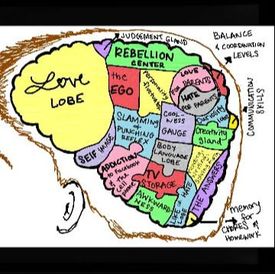
Your Developing BrainHistorically and in many contemporary cultures, the onset of puberty meant the end of childhood and transition into adulthood. While symbols and rituals of this passage (and the accompanying expectations for responsible behavior) are all important for healthy social adjustment, we know that the teenage brain is quite different from an adult brain. Behavioral neuroscientists and endocrinologists have uncovered mechanisms to explain phenomena that parents, educators, psychologists, sociologists, and all those involved with middle school aged children have long known: adolescents are more impulsive, more likely to engage in sensation seeking behaviors, less likely to control emotional responses, and have an increased awareness of self in a social context. Psycho-social developmental models, human attachment models, cognitive development models and neurobiological models may use different language to explain adolescence but the core principles are inherently the same.
|

Understanding Your UniquenessDeveloping a strong sense of self is important for teens and adolescents. Exploring the personal traits, states of mind, and differences between self and others can help young people develop a strong sense of who they are, what they value, and increase their self-confidence.
|
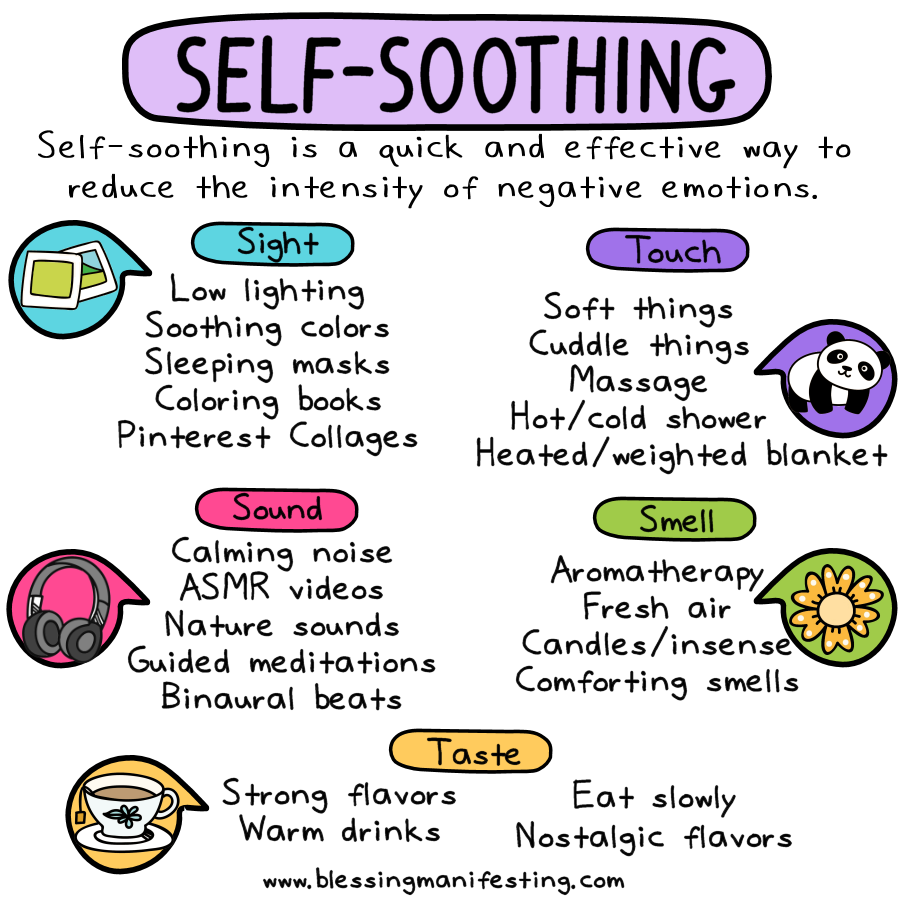
Stress ManagementEveryone experiences stress sometimes. Follow this link to learn more about stress and how to manage it with healthy coping skills.
|

RelationshipsDifferentiating between healthy and unhealthy boundaries is crucial to establishing positive peer groups and dyadic relationships.
|

Digital CitizenshipLinks to helpful resources about safety online, cyberbullying, and navigating the technological landscape.
|

College and Career PlanningAt this stage in life, career exploration is a wonderful way to help you plan the courses you need to set you on the path to success in college and career.
|
Substance Abuse PreventionPlease click through for more information on warning signs of substance abuse as well as links to reliable information about the various substances that are likely to be abused.
|
Suicide and Self-HarmIf you or someone you know is expressing thoughts of suicide, please call this number immediately. Help is available. Suicide is preventable. CLICK HERE to review warning signs.
Self-harm refers to activities that can threaten physical safety and emotional well-being such as reckless or risky behaviors, illegal activities, eating disorders, self-injury, promiscuity, and self-medicating. CLICK HERE for more information. |

Anxiety and DepressionIt is normal to have feelings of worry or sadness. When they interfere with your ability to enjoy things you once used to, it may be time to seek help. CLICK HERE for more information.
|
